Post
Consequences of Water Pollution
Introduction to Water Pollution
Water pollution poses a significant threat to the environment and public health. It occurs when harmful substances, such as chemicals, waste, and microorganisms, contaminate water sources, rendering the water unsafe for human consumption, aquatic life, and other uses.
Definition and Sources of Water Pollution
|
|
|
 Agricultural SourcesRunoff from agricultural lands can carry pesticides, fertilizers, and animal waste into nearby waterways, leading to eutrophication, algal blooms, and disruption of aquatic ecosystems. |


Harmful Effects on Aquatic Ecosystems
|
Water pollution poses a grave threat to delicate aquatic ecosystems. Toxic chemicals and excessive nutrients can disrupt food webs, deplete oxygen levels, and destroy sensitive habitats. This leads to declines in biodiversity, the collapse of fisheries, and the degradation of entire aquatic environments. |
 |
Impacts on Human Health
Contaminated Water SuppliesWater polluted with industrial chemicals, heavy metals, or disease-causing microbes can lead to serious health issues when consumed, including organ damage, neurological problems, and infectious diseases. |
Recreational ExposureSwimming or wading in polluted waterways can result in skin rashes, eye and ear infections, and the ingestion of harmful substances. This poses a particular risk for children. |
Bioaccumulation in FoodToxic pollutants can accumulate in the tissues of fish and shellfish, leading to the consumption of contaminated seafood and the transfer of these harmful substances up the food chain. |
Respiratory ImpactsAir pollution from industrial processes and the burning of fossil fuels can contaminate water sources and lead to increased rates of respiratory illnesses, especially in vulnerable populations. |
Economic Consequences of Water Pollution
Economic CostsWater pollution can lead to significant economic losses through higher treatment costs, reduced productivity, and damage to property and infrastructure. |
Disrupted FisheriesContaminated waters can devastate commercial and recreational fishing industries, impacting livelihoods and local economies that rely on these natural resources. |
Decreased TourismPolluted beaches, lakes, and rivers deter visitors, leading to revenue loss for hotels, restaurants, and other businesses in tourist-dependent regions. |
Contamination of Drinking Water Supplies
|
Untreated industrial and municipal waste can lead to the contamination of freshwater sources used for drinking. Toxic chemicals, heavy metals, and microbial pathogens can infiltrate water treatment systems, compromising public health and safety. This poses a serious risk, especially in developing regions with limited access to clean water infrastructure. |
 |
Degradation of Recreational Water Bodies
Water pollution can severely degrade the quality of recreational water bodies, such as lakes, rivers, and beaches. Pollutants like sewage, chemicals, and plastic waste can make the water unsafe for activities like swimming, boating, and fishing, diminishing the public’s enjoyment and access to these natural resources.
Disruption of Fisheries and Aquaculture
Pollution Decimates Fish StocksWater pollution, such as oil spills and chemical runoff, can devastate fish populations, leading to the collapse of commercial and recreational fisheries. |
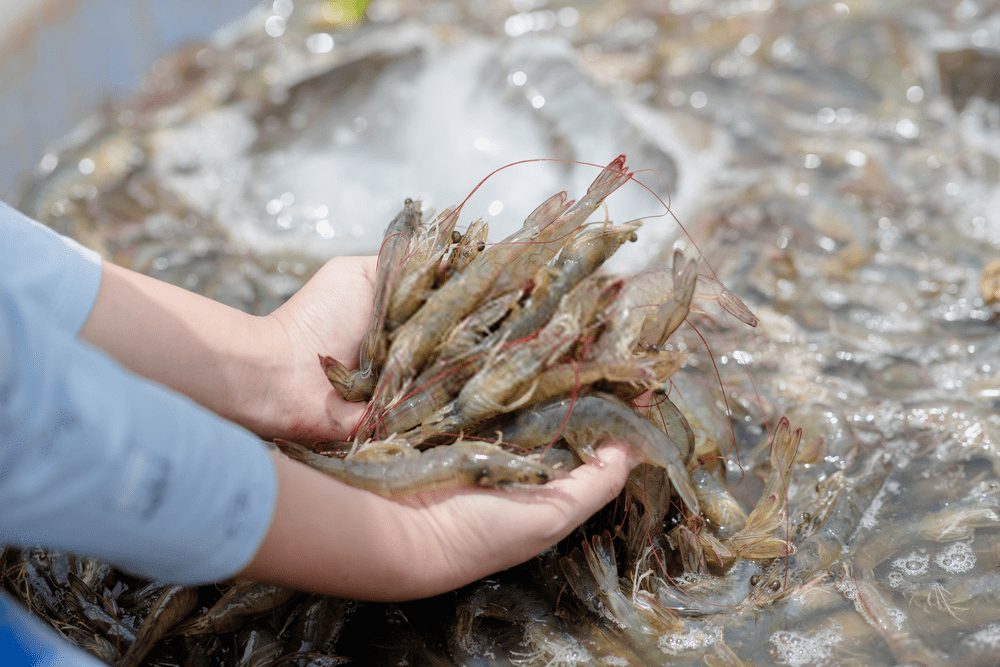
Aquaculture Productivity PlummetsContaminated water used in aquaculture facilities can stunt the growth of farmed fish and shellfish, severely impacting food production and livelihoods. |
Toxic Algal Blooms Threaten SeafoodNutrient pollution can trigger harmful algal blooms that release toxins, rendering seafood from affected waters unsafe for human consumption. |
Microplastics Infiltrate the Food ChainTiny plastic particles ingested by marine life can bioaccumulate up the food chain, ultimately exposing people who consume seafood to harmful contaminants. |
Challenges in Wastewater Treatment and Management
Aging InfrastructureMany wastewater treatment plants are outdated and struggle to handle growing populations and increased waste loads, requiring costly upgrades and repairs. |
Emerging ContaminantsNew synthetic chemicals, pharmaceuticals, and microplastics are difficult to remove, posing risks to aquatic ecosystems and human health. |
Resource ConstraintsLimited funding, skilled personnel, and technology hamper efforts to expand and modernize wastewater treatment capacity in many regions. |
Regulatory ComplianceStrict environmental regulations on effluent quality are challenging for some facilities to consistently meet, risking penalties and environmental damage. |
Strategies for Mitigating Water Pollution
- Strengthening Regulations: Enacting and enforcing stricter laws and regulations to limit industrial and agricultural waste discharge into water bodies.
- Improving Wastewater Treatment: Upgrading wastewater treatment facilities to remove more contaminants and implement advanced purification techniques.
- Promoting Green Infrastructure: Implementing natural, vegetation-based solutions like wetlands and bioswales to filter and absorb pollutants before they reach waterways.