Post
Water Treatment for Shrimp Farming
Introduction to Shrimp Farming
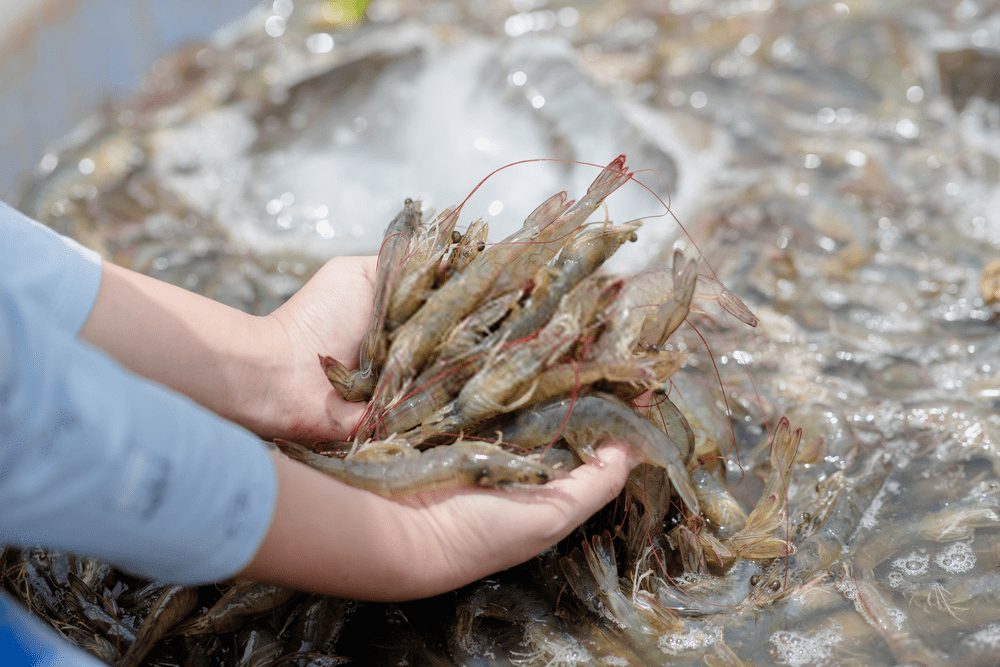
Shrimp farming plays a crucial role in the aquaculture industry, providing a sustainable source of shrimp for consumption. It involves the cultivation of shrimp in tanks or enclosures, allowing for controlled conditions that promote optimal growth and health.
To ensure the success of shrimp farming, proper water treatment is essential. The quality of water directly affects the growth and survival of shrimp, as well as the prevention of diseases. Water treatment involves various processes to maintain the necessary parameters for shrimp cultivation, such as temperature, salinity, pH level, and oxygen levels.
Water Treatment for Shrimp Farming
| Parameter | Importance | Treatment Methods |
| Temperature | Optimal temperature range promotes shrimp growth and reproduction. | Heating or cooling systems, insulation, temperature monitoring |
| Salinity | Maintaining the right salinity level is crucial for shrimp osmoregulation. | Water exchange, saltwater mixing, salinity monitoring |
| pH Level | Proper pH level ensures shrimp health and prevents stress. | Buffering agents, pH adjustment, pH monitoring |
| Oxygen Levels | Adequate oxygen levels are necessary for shrimp respiration. | Aeration systems, oxygen supplementation, dissolved oxygen monitoring |
| Disease Prevention | Water treatment helps prevent the spread of diseases and parasites. | Filtration systems, UV sterilization, biosecurity measures |
Water Quality Requirements
Temperature
|
Salinity
|
pH Level
|
Dissolved Oxygen
|
Common Water Contaminants
In shrimp farming, it is important to be aware of common water contaminants that can negatively impact shrimp health and growth. These contaminants, such as ammonia, nitrite, and heavy metals, must be effectively removed or controlled through water treatment methods to ensure optimal conditions for shrimp.
| Contaminant | Description | Effects on Shrimp | Water Treatment Methods |
| Ammonia | A byproduct of shrimp waste and uneaten food. | Can cause gill damage, reduced growth, and increased susceptibility to diseases. | Biological filtration, water exchange, nitrifying bacteria |
| Nitrite | Formed during the breakdown of ammonia by bacteria. | Can cause methemoglobinemia (brown blood disease) in shrimp. | Biological filtration, water exchange, nitrifying bacteria |
| Heavy Metals | Commonly found in industrial and agricultural runoff. | Can accumulate in shrimp tissues and lead to toxicity. | Activated carbon filtration, sedimentation, water treatment chemicals |
| Pesticides | Used in agriculture and can enter water sources through runoff. | Can be toxic to shrimp and affect their growth and reproduction. | Activated carbon filtration, sedimentation, water treatment chemicals |
| Pathogens | Bacteria, viruses, and parasites that can be introduced through contaminated water sources. | Can cause diseases and high mortality rates in shrimp. | UV sterilization, biosecurity measures, water treatment chemicals |
Water Treatment Methods
 |
 |
 |
Mechanical FiltrationMechanical filtration is a water treatment method used in shrimp farming to remove solid particles and debris from the water. It involves the use of physical filters such as screens, sieves, and settling tanks to trap and remove contaminants. |
Biological FiltrationBiological filtration is an essential water treatment method in shrimp farming that utilizes beneficial bacteria to break down organic waste and convert harmful substances into less toxic compounds. This process helps maintain a healthy and balanced aquatic environment for the shrimp. |
Chemical TreatmentsChemical treatments are used in shrimp farming to control water quality parameters, such as pH, ammonia levels, and dissolved oxygen. Common chemical treatments include the use of chlorine, hydrogen peroxide, and water conditioners to remove harmful substances and maintain optimal water conditions for the shrimp. |
Monitoring and Maintenance
Proper monitoring and maintenance are essential for the success of shrimp farming. This involves regular testing of water quality, adjusting water parameters, and cleaning filtration systems.
Regular Testing
Regular testing of water quality is crucial to ensure optimal conditions for shrimp growth and health. Tests should include monitoring parameters such as pH, ammonia, nitrite, nitrate, dissolved oxygen, and salinity.
Adjusting Water Parameters
Based on the results of water testing, it may be necessary to adjust water parameters to maintain optimal conditions. This can include adding or removing chemicals, adjusting pH levels, or increasing aeration.
Cleaning Filtration Systems
Filtration systems play a crucial role in maintaining water quality. Regular cleaning and maintenance of these systems are necessary to prevent clogging and ensure effective filtration. This includes cleaning filters, removing debris, and checking for any malfunctions.