Post
Desalination
Introduction
Desalination is the process of removing salt and other impurities from seawater to make it suitable for human consumption and irrigation purposes. With the increasing global demand for fresh water, desalination has emerged as a viable solution to address water scarcity in coastal regions. By utilizing various technologies, desalination plants are able to produce large quantities of fresh water from seawater, making it an important part of water supply strategies around the world.
Desalination Process
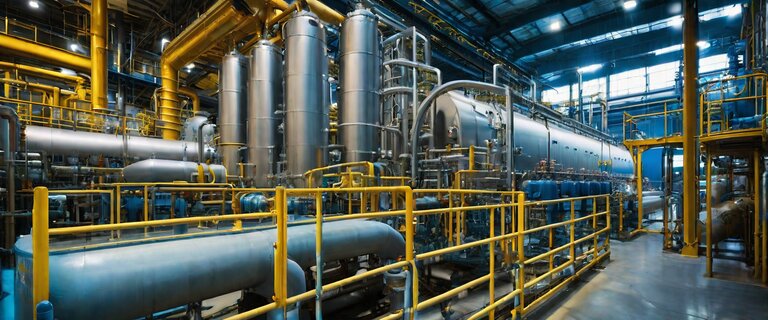
Pre-TreatmentThe desalination process begins with pre-treatment, which involves removing impurities and contaminants from the seawater or brackish water source. This step is crucial to protect the desalination equipment and ensure the efficiency of the subsequent processes. |
Membrane SeparationThe next step in the desalination process is membrane separation. This involves passing the pre-treated water through a semi-permeable membrane that selectively allows water molecules to pass through while blocking the passage of salt and other impurities. This process can be achieved through reverse osmosis or other membrane-based technologies. |
Post-TreatmentAfter the membrane separation process, the resulting water is further treated to ensure its quality and safety. This may involve disinfection, pH adjustment, and the addition of minerals for taste. The post-treatment step is essential to meet regulatory standards and provide clean, potable water. |
Types of Desalination Technologies
Reverse OsmosisReverse osmosis is the most widely used desalination technology. It involves the use of a semipermeable membrane to separate salt and other impurities from water. The high-pressure applied to the saline water pushes it through the membrane, leaving behind fresh water. |
Multi-Stage Flash DistillationMulti-stage flash distillation involves heating the saline water to produce steam. The steam is then condensed to produce fresh water. This process is repeated in multiple stages to increase the efficiency of salt removal. It is commonly used in large-scale desalination plants. |
ElectrodialysisElectrodialysis involves the use of ion-exchange membranes and an electric field to separate salt ions from water. The saline water is passed through a series of alternating anion and cation exchange membranes, resulting in the removal of salt and production of fresh water. |
Advantages of Desalination
Reliable Source of FreshwaterDesalination provides a reliable source of freshwater, especially in regions with limited access to freshwater resources. It helps meet the growing demand for freshwater for various purposes such as drinking, agriculture, and industrial use. |
Reduced Dependence on RainfallDesalination reduces dependence on rainfall for freshwater supply. This is particularly beneficial in arid regions where rainfall is scarce and unreliable. It provides a more stable and consistent water source, ensuring a reliable water supply for communities and industries. |
Potential for Economic Growth in Arid RegionsDesalination can contribute to economic growth in arid regions by enabling agricultural and industrial activities that require large amounts of water. It opens up opportunities for development and investment in these regions, creating jobs and boosting the local economy. |
Challenges and Limitations
 |
 |
 |
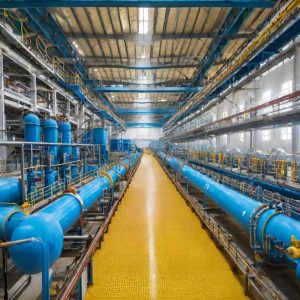
High Energy ConsumptionDesalination processes require significant amounts of energy to remove salt and impurities from seawater. |
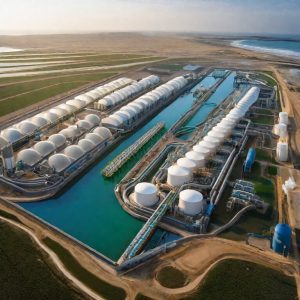
Environmental ImpactDesalination plants can have negative environmental impacts, such as the discharge of concentrated brine back into the ocean, which can harm marine life. |
Cost ConsiderationsDesalination can be expensive due to the high energy requirements and infrastructure costs associated with building and maintaining desalination plants. |
Applications of Desalination
 |
 |
 |
Municipal Water SupplyDesalination is used to provide freshwater for municipal water supply in areas with limited access to freshwater sources. It helps meet the growing demand for clean drinking water in coastal cities and regions. |
AgricultureDesalinated water is used for irrigation in agriculture, allowing crops to be grown in arid and semi-arid regions. It helps increase agricultural productivity and supports food security in water-scarce areas. |
Industrial ProcessesDesalination is utilized in various industrial processes, such as power generation, oil and gas refining, and manufacturing. It provides a reliable source of high-quality water for industrial operations, reducing reliance on freshwater sources and minimizing environmental impact. |
Future of Desalination
Advancements in TechnologyContinuous advancements in desalination technology are driving improvements in efficiency, cost-effectiveness, and environmental sustainability. |
Increasing Global Demand for FreshwaterAs freshwater scarcity becomes a pressing global issue, the demand for desalinated water is expected to rise significantly in the future. |
Potential for Sustainable and Cost-Effective SolutionsWith ongoing research and development, desalination has the potential to become a sustainable and cost-effective solution for addressing freshwater scarcity. |